
On Transitions
A personal update in uncertain times

Today I turn 30. Old enough, I hope, to claim a little perspective and wisdom. Young enough to admit I’m still figuring most things out.
It feels like a natural moment to pause and take stock. An honest update on where I am, what I’m building in this little corner of the internet and beyond, and how I’m making sense of both my own transitions and the wider ones unfolding around us – because, that is ultimately what my Substack has always been about: how personal change and collective change constantly shape each other, whether we’re paying attention or not.
Plus, the last year or so has been one of shedding. Identities, assumptions, beliefs about myself and the world. I’ve always been skeptical of spiritual frameworks that locate meaning and agency outside of ourselves—astrology, zodiac cycles. And yet, reluctantly, I have to admit: if you were trying to describe the last eighteen months of my life, “Saturn return” and “Year of the Snake” wouldn’t be a bad place to start.
Despite the upheaval, my personal inner climate feels steadier than ever. Not because things are always easy, but because I no longer experience challenge as something to fix or avoid. I’ve started to see it as instruction. The things that provoke fear or resistance tend to point directly toward where growth is asking to happen.
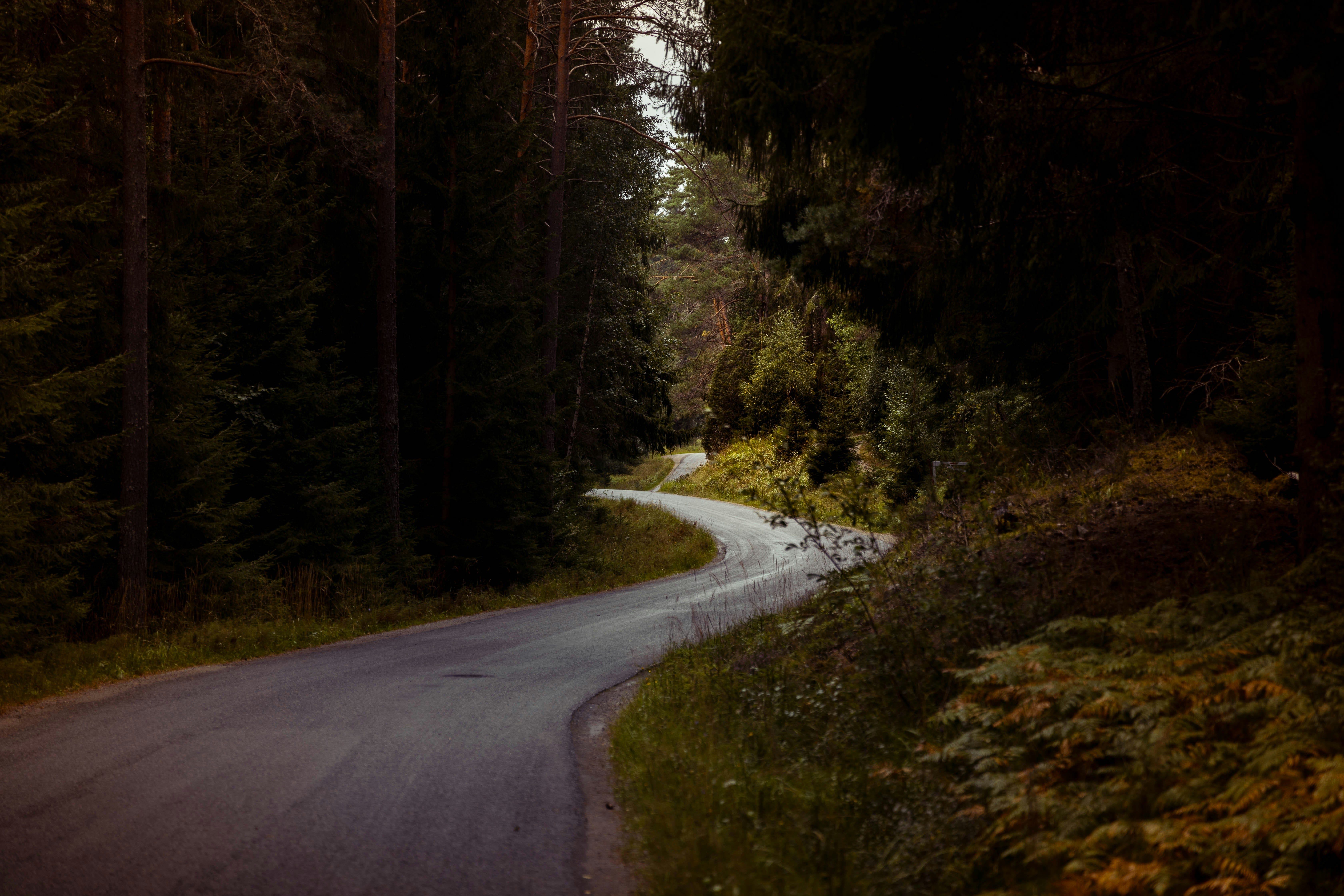
So, rather than moving away from discomfort, I’m choosing to move toward it. Here’s what I’m running toward in this new decade of life:
Uncertainty
I’m choosing to build a life without a clear map. That means stepping away from linear career narratives and familiar markers of progress, without a guaranteed alternative waiting in the wings. It’s uncomfortable, but it feels more truthful than forcing certainty where none really exists anyway.
Uncertainty is also where things open up. It’s where movement, creativity, and unexpected connection tend to happen. I think this is true at the individual level, but also at the collective one.
The world feels unstable right now. Political systems are brittle. Economic assumptions are being tested. Technology is changing how we think and work. Ecological limits are asserting themselves. And yet, I don’t experience this uncertainty only as collapse. I also sense that new systems and ways of living are trying to emerge from within it.
So, both personally and in how I think about collective change, I’m choosing to treat uncertainty not as something to eliminate, but as a condition to work with — and one that can, ultimately, make room for something better.
Teaching while still learning
I’m allowing myself to teach the practices that have genuinely helped me, while remaining very much a student.
Do I know everything about the human nervous system, brainwave states or correct chaturanga form? Absolutely not. But I do have the lived experience of fundamentally shifting my inner state — of learning how to move from chronic stress and fear into a (mostly) regulated and spacious way of being.
For a long time, I thought teaching required total certainty. That you had to have finished the work before you were allowed to share it. I don’t believe that anymore. What I’m interested in is teaching as shared inquiry: offering practices, questions, and frameworks that I actively live with and continue to test.
This means being honest about what I know, equally honest about what I don’t. It’s not easy in a culture that rewards certainty — even if that certainty is often a performance (I’ve spent enough time working with politicians to know that’s often the case). But I think it’s honest, and I think we could all benefit from being a little more comfortable saying “I don’t know”.
Bridging worlds
The nature of my work now means I sit between worlds that don’t often speak to each other well: spiritual practice and political work, embodiment and systems thinking, individual wellbeing and collective change.
I don’t experience these as separate domains. I think we’ve been trained to treat them that way. But the connection feels increasingly clear. When large numbers of people live in chronic stress — operating from survival rather than presence or creativity — that state doesn’t stay internal. It shows up materially: in economies organised around extraction and scarcity, in how we treat one another, and in how easily the living world becomes something to use up and discard.
This isn’t about diluting political issues or spiritualising injustice. It’s about widening the lens we use to understand power and change. Political decisions matter, but so does the collective quality of presence we bring to everyday life — whether we’re acting from fear and contraction, or from compassion and imagination.
I find that framing empowering. It suggests that change isn’t only something done to us, but something we’re continually participating in.
This is easy enough to articulate here, among people who broadly share my worldview. The real work is learning how to live and work across these worlds — without wondering whether I’ve lost the plot or translating myself into something safer.
What this looks like in practice
For now, there isn’t a grand plan. I’m drawn to supporting people to notice that survival mode isn’t the only setting we get to live on. That looks like teaching yoga and meditation, and other practices that help people move out of chronic stress.
Writing remains a central container for me — a way of thinking in full sentences and staying in conversation with thoughtful people. It’s how I explore questions about meaning, power, and change without rushing toward neat conclusions, and it’s something I’ve always loved doing.
I’m also beginning to bring this wider lens back into conversations with activists, organisers, and NGOs. That means asking different kinds of questions: not just what we’re trying to change, but how we’re going about it. And what might become possible if we took our energetic and emotional states seriously as part of how change happens.
I’m experimenting, learning, and letting things take shape slowly.
Before I close, a small practical note.
This feels like the right moment, after seven months here, to turn on paid subscriptions — not to put my writing behind a paywall, but to give those who feel called a way to support this work. A big thank you to those who have already pledged; that support genuinely means a lot during this period of transition.
Either way, thank you for being here — for reading, reflecting, and staying in conversation.
Warmly,
Natalie
Happy belated birthday!
Thank you for such a beautiful share. I agree that a new world is ready to emerge and that through bridging worlds we can all learn to allow it to take shape.
I am splitting my time between an off-grid community just starting out in Mexico and Vancouver - where I used to live for many years. I see so much benefit for all involved in learning from each other about the best ways to be more authentically human, and move forward. I have loved building community in both places, that is just beginning to dance back and forth with me more and more and it is very exciting.
happy birthday!! <3